Lafourche Parish drywall work
Drywall Repair in Thibodaux, LA
Soaked board from a roof leak, a ceiling with a brown ring, tape lifting at the seams, holes and cracks. Cut out, replaced, taped and textured to match, then left ready for paint. Pick the problem:
Call 7 days, 7am–9pm
Call and a local drywall pro sets a visit, sizes up the damage, and gives you a number up front.
The work
Board and joint repairs
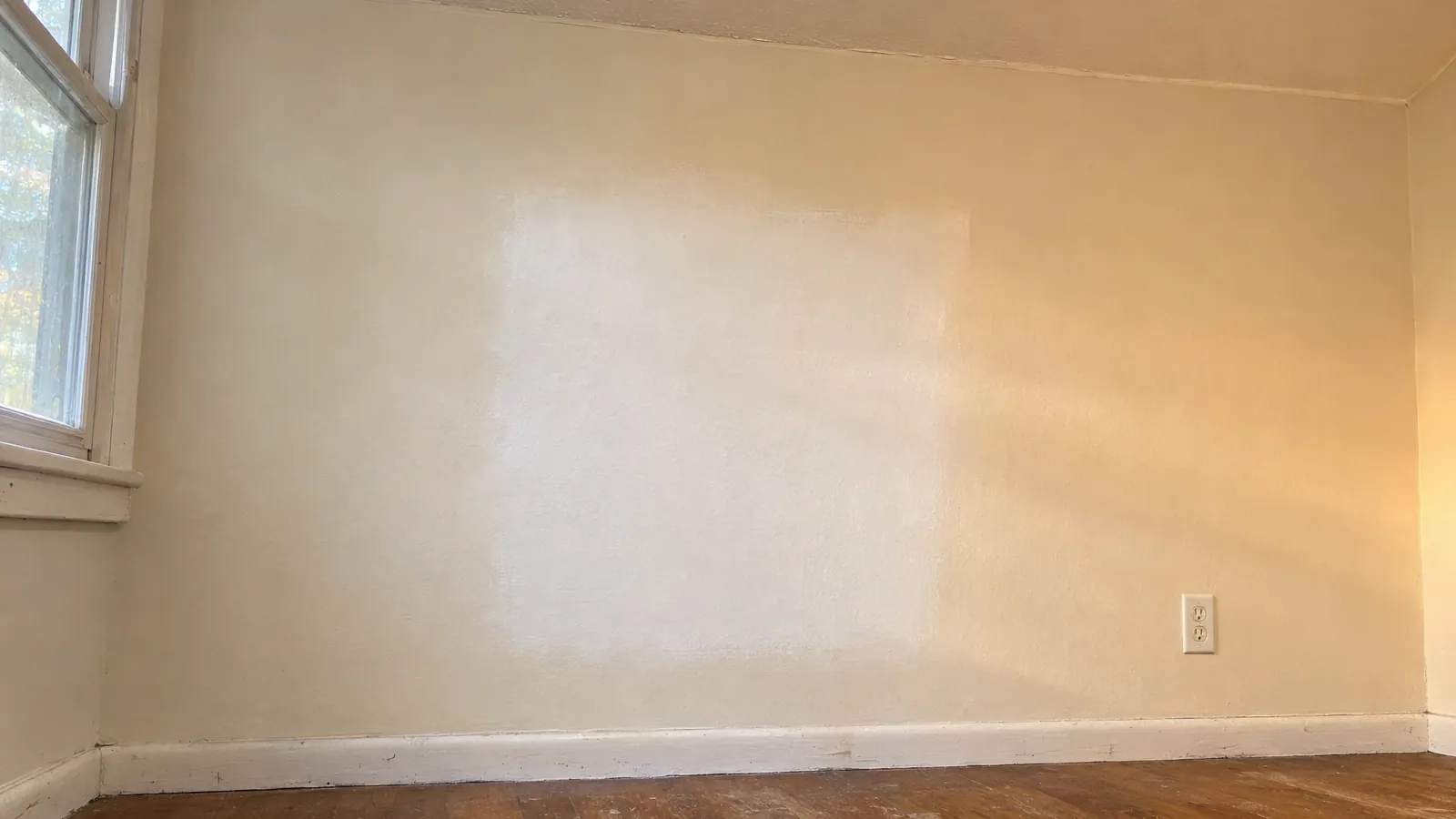
Five kinds of drywall work come through the phone most often in Thibodaux. Water comes first, because this is a wet place: about 71 inches of rain falls here in an average year, going by the NOAA 1991 to 2020 normals.
Each job is the same at heart. Find what broke the board, fix that, then put the wall back flat, taped, textured and primed. Pick the one that looks like your wall.
Water-damaged drywall
Soaked board cut out past the wet line, the wall dried, new board hung, taped and finished.
How wet walls get replacedCeiling leak repair
Brown rings, soft spots and sagging panels after a roof or air-conditioning leak.
Fixing a leak-damaged ceilingTape and seam repair
Paper tape that bubbles, curls or cracks at the joints in damp rooms.
Re-bedding loose joint tapeHole patching
Doorknob holes, anchor holes, cable holes and impact damage, patched and textured.
Patching holes of any sizeCrack repair
Corner cracks over doors and windows, ceiling cracks, nail pops and broken corner bead.
Closing cracks for good
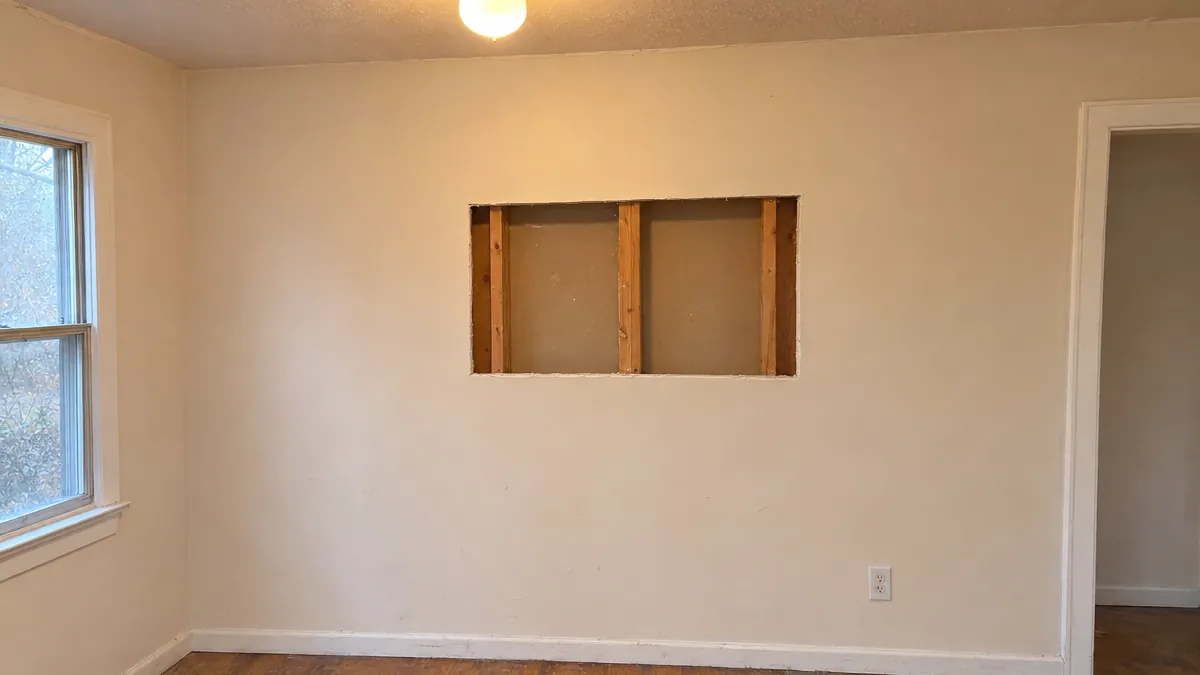
Old walls
Raised houses and old plaster
Thibodaux is the parish seat of Lafourche and sits on Bayou Lafourche. It has 28 places on the National Register of Historic Places. Walls in town run from plaster on wood lath in the older houses near downtown and the Nicholls State campus to half-inch drywall in slab houses out in the subdivisions.
Plaster and lath. Plaster is harder than drywall and thicker. When it cracks, the plaster has often come loose from the lath behind it. A good repair secures it first, then tapes and skims. Where a section is gone, new board is shimmed out to the plaster's depth so the wall stays flat.
Raised houses. A house on piers flexes a little as the ground under it wets and dries. The flex shows up as diagonal cracks at door and window corners. Those get opened, taped and coated, not just caulked.
Early drywall. Some older board is thinner than what is sold now, and older jobs were hung with nails, not screws. Nail pops come with the territory.
Paint from before 1978. A house that predates 1978 can carry lead-based paint under its newer coats. Cutting or sanding through it calls for lead-safe work practices, so the age of the house is one of the first things asked.
Reading the wall
Symptom and cause chart
The wall usually tells you what happened to it. Here is what the common marks mean and where each one is covered in more detail.
| What you see | Likely cause | More on it |
|---|---|---|
| A brown water ring overhead | Roof leak, attic air handler drain, or plumbing above | ceiling stain repair |
| Ceiling board bowing between joists | Water weight; fasteners pulling through | sagging ceiling fixes |
| Soft, swollen board low on a wall | Water at floor level, or a leak inside the wall | replacing wet board |
| A bubble or curling strip along a joint | Humidity, or too little mud under the tape | tape and joint work |
| Round bumps over fasteners | Framing shrinking, nails backing out | nail pop repair |
| A diagonal crack off a door corner | House movement focused at the opening | door-corner cracks |
| A doorknob-sized hole | A door with no stop | doorknob hole patches |
If the mark is growing, find the water before worrying about the wall. A board repair over a live leak is money thrown away.
Inside the house
Floor and furniture cover
Drywall work makes dust. Here is how it is kept to the room it starts in.
- Floors. Drop cloths from the wall out past where anyone will step, with the edges taped on hard floors so they do not slide.
- Furniture. Pushed to the center of the room or carried out, then wrapped in plastic.
- Doorways. On bigger jobs, plastic sheeting is taped across the door with a zip opening, so dust stays put.
- Vents and returns. Taped over. In a house where the AC runs most of the year, an open return will carry sanding dust to every room.
- Wet board. Bagged as it comes off the wall and carried straight out, not dragged through the house.
- Cleanup. A vacuum over floors and sills and a wipe of the trim before the room is handed back.
Help that makes a difference: take pictures and shelves off the wall being worked on, clear small things off nearby tables, and keep pets in another room.
Small, medium, large
Patch sizes compared
Size changes how many coats a repair needs, how long it dries, and how many visits it takes. The drawing puts four common sizes next to an ordinary interior door.
- Small: nail holes, screw pops, dings
- Two thin passes of spackle or compound, sanded flush. Usually one visit. Texture by spray or brush, then primer.
- Medium: doorknob and cable holes
- A backing piece or a paper-faced patch, then tape and three coats, sanded between. Often two visits, because each coat has to dry. Texture goes on last to blend the patch in.
- Large: half a sheet and up, wet board, ceiling sections
- Cut back to studs or joists, new board screwed in, every joint taped and coated three times, then texture and primer. Two or three visits spread over several days. Damp weather stretches the drying.
Paint is the last piece at every size. A primed patch is ready for it; painting the full wall is what makes it vanish.
On the phone
Caller questions
- Can my wall texture be copied on the patch?
- In most houses, yes. Orange peel, knockdown and smooth finishes are the common ones here, along with hand textures in older homes. Texture is sprayed or troweled to match and judged after it dries, because it looks different wet.
- Is one small hole worth a trip?
- Yes. Small jobs cost more per hole than big lists, since the drive and drying time are the same. Gather every ding, nail pop and anchor hole in the house for the same visit.
- Is paint going to hide the patch?
- A patch that is feathered wide, textured right and primed does not show under paint. What shows is a smooth patch on a textured wall, bare compound flashing through the sheen, or touch-up paint on old faded paint. Painting the wall from corner to corner is usually the honest answer.
- How long does a repair take?
- A small patch takes one visit, sometimes two. A section of wet wall or ceiling takes two or three visits across several days, mostly waiting on compound to dry. Humid weather slows drying.
- How much dust and mess is there?
- Some. Floors are covered with canvas, furniture gets plastic, doorways get sheeting, vents get taped, and the room is vacuumed once the work wraps up. Cutting out wet board is the messiest part; sanding is next.
- What if the roof is still leaking?
- Get the leak fixed first. New board under a live leak gets ruined in the next rain. The ceiling can be opened so it dries while the roofer does the roof, then closed up after.
The money
Money and scope
Here are national numbers so you have a rough idea before anyone looks at the wall. They come from published cost guides, not from Thibodaux jobs, and they are not a quote.
- Small hole patch
- $60 to $200
- Crack repair
- $60 to $330
- Large hole
- usually $100 and up
- Hole in a ceiling
- $320 to $1,300
Ranges from the national drywall repair figures This Old House published, last revised June 2026. That source also notes pros bill by the hour or by the square foot.
The real price for your wall is set by someone who has stood in front of it. These are the things that move it:
- Size. More square feet, more board, more tape and more coats.
- Wall or ceiling. Overhead work is slower and harder to finish clean.
- Water. Soaked board comes out, wet insulation with it, and the framing dries before anything closes up.
- Texture. Smooth walls show every flaw. Knockdown and popcorn take extra steps to match.
- Access. Tall ceilings, stairwells and full rooms take more setup.
- Paint. A primed patch costs less than a painted wall, but a painted wall is what hides the work.
- Trips. Every drying gap can mean another visit.
Up and down the bayou
Bayou Lafourche towns
Thibodaux first, then the communities around it in Lafourche, Terrebonne and Assumption parishes.
- Raceland. Down the bayou in Lafourche Parish, about 15 miles from Thibodaux.
- Lockport. A bayou town that Ida hit hard in 2021.
- Schriever. Across the line in Terrebonne Parish, where the Sunset Limited stops.
- Houma. The Terrebonne Parish seat, in the same metro area as Thibodaux.
- Labadieville. An Assumption Parish community on Bayou Lafourche.
- Napoleonville. The Assumption Parish seat, also on the bayou.
- Chackbay. North of town, about 7 miles up LA 20.
More on each one on the towns served around Thibodaux page.
On the day
Repair day order
- Walk-through. The damage is looked at and measured, the cause is checked, and the plan is gone over with you. Nothing starts until you have the price.
- Cover the room. Floors, furniture, doorway and vents, as laid out above.
- Open up or prep. Wet or broken board is cut back to solid framing. Small holes get their torn edges trimmed and sealed.
- Hang and tape. New board is screwed in, joints are taped and bedded in compound.
- Coats and drying. A fill coat, then a wide finish coat, each left to dry. In humid weather this is the slow part, and it is often why a job spans more than one visit.
- Texture, primer, cleanup. Texture worked in to match the wall beside it, primer on, the room vacuumed and the covers pulled.
For owners and managers
Rent houses and turnovers
With Nicholls State in town, Thibodaux has a lot of rental housing, and some of it changes hands between school terms. Turnover walls look alike: anchor holes, a TV mount, a doorknob hole, scuffed corners, sometimes a ceiling stain nobody mentioned.
- One list, one visit. Walk the unit and send every spot at once. Ten patches in one trip cost far less per patch than ten separate calls.
- Access. A lockbox code or a manager on site works. Say so on the form.
- Occupied units. When a tenant is still living there, the work is planned around their schedule, and they get a heads-up on dust and drying time.
- Several rooms. Batching rooms lets coats dry in one while another gets taped.
- Paint. Have the paint name and color code ready, or leave a can on site, if the patches are being painted too.
After a leak or a hit
Photo and paper trail
If an insurer or a landlord is going to see this damage, a clear record helps. Do it before anything is cut out.
- One shot from the doorway taking in the whole room, so it is clear where the damage sits.
- Close photos of each stain, crack or hole, with a tape measure laid next to it.
- The source, if you can see it: the roof spot, the AC drain pan, the pipe.
- The date you first noticed it, and the date of any storm that went with it.
- Receipts for fans, dehumidifiers, tarps or emergency roof work.
- A written quote with the repair broken out by room.
What a policy pays for is between you and your insurer. The job here is a clear record and a clear quote.
Thibodaux quote line
Call, text a few photos, or use the form. A price comes before any work does.
One call and a local drywall pro sets a time to measure the damage and write up a price.
Call 7 days, 7am–9pm